
Fustat traditional crafts center
A deep dive into the local arts
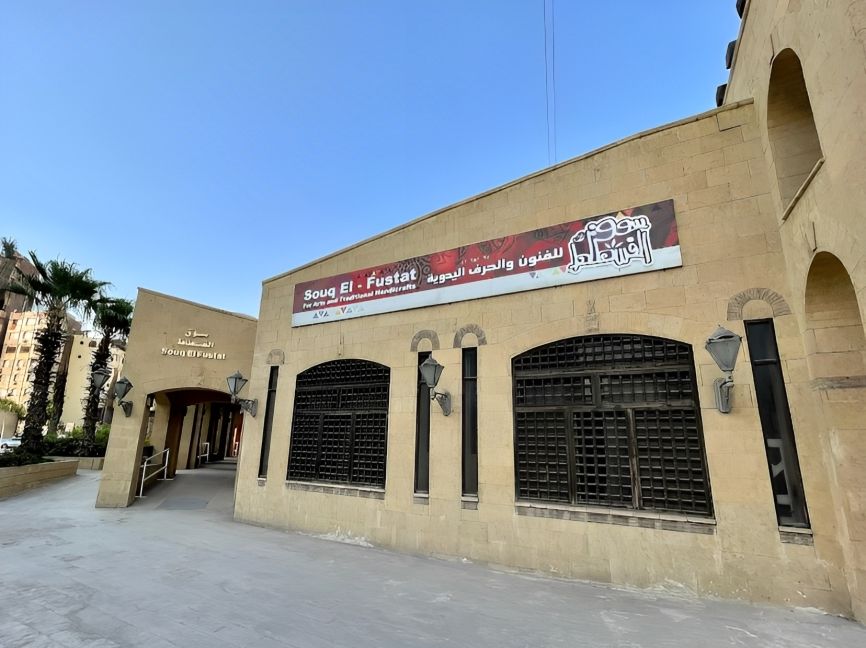

One of our capital city's wealthiest areas is Old Cairo. Not because of the social standing, but rather because of the region's rich artistic and historical heritage. Along with interesting historical sites, Al-Fustat, the site of the former Egyptian capital, is home to some of the most exquisite architectural and cultural treasures
Al-Fustat Center for Traditional Arts
Particularly in the fields of pottery and ceramics, the Al-Fustat region is well known for its fine handicrafts and skilled artisans. A modest atelier with two rooms and one oven was also present in the same space as the current project. In 1958, "Saeed El-Sadr," one of the most well-known Egyptian potters, had his studio there.
The Egyptian government sought to enlarge this workshop and make it a Center for pottery art and handicrafts in 2001. Workshops, several ovens, and art displays would all be part of the project. Due to his ideas being influenced by the landscape and cultural history, they chose the architect "Gamal Amer" to create this project.
Over 2400m2 are included in the project. It originally only had one structure, but through time, it grew to include two buildings and a third that is currently being built. The Pottery Center, which has offices, a multipurpose hall, exhibition galleries, a dormitory for artists who stay at the center, and guest rooms for visitors are among the facilities found in the two buildings that make up the facility today. It also has lecture halls for students to learn in. Corridors and outdoor courtyards link each of these areas to the others.

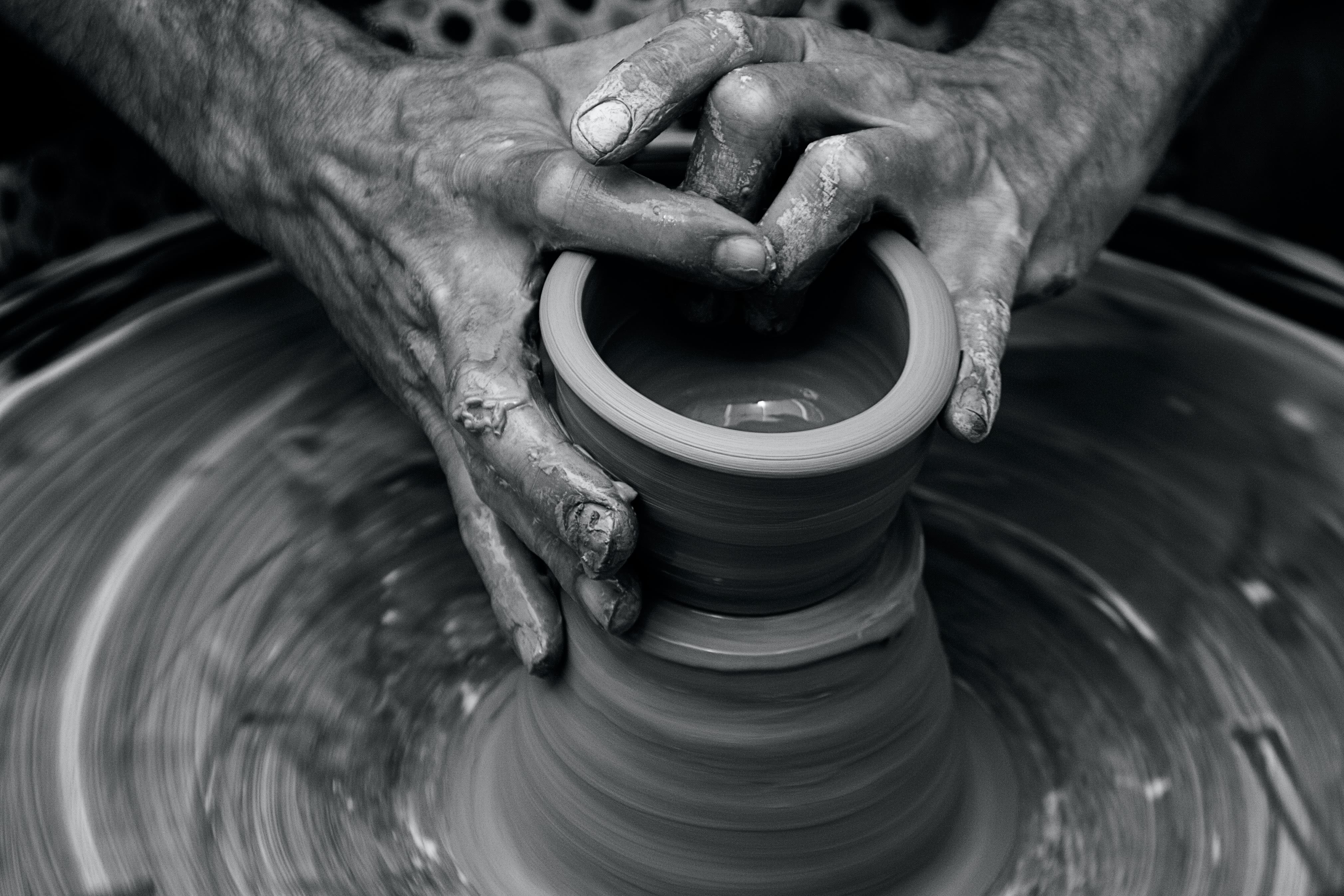
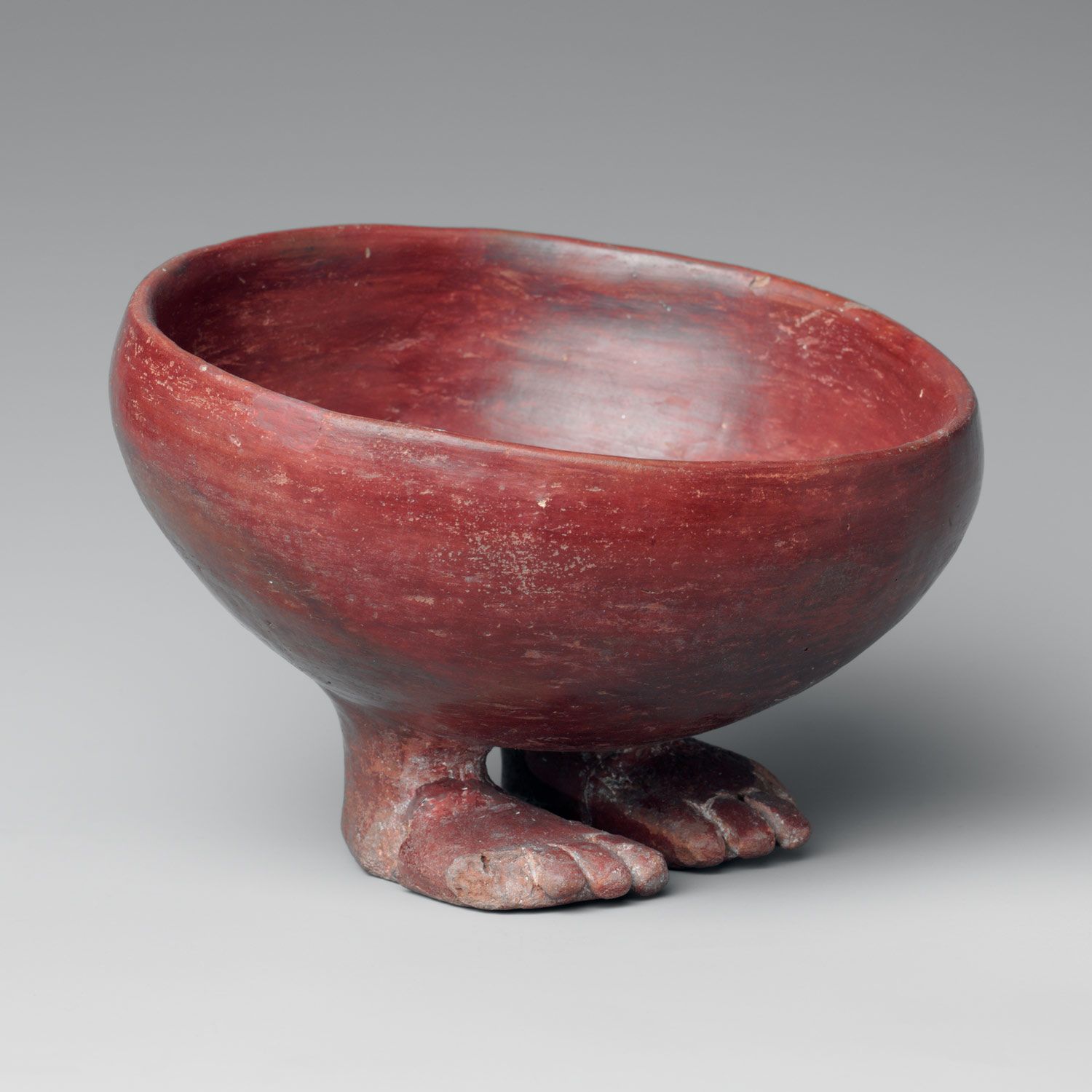
The city of Fustat was also well-known for its pottery industry, which dates back to 2000 BC, particularly in prehistoric times, when ancient man molded it into his needs of pots, pots, jars, agitators, and other necessary equipment that marked the foundation of daily existence until recently.
The pottery industry underwent a tremendous transformation during the Islamic era, whether in terms of the techniques used in the sector or the invention of new types of clay goods and the diverse ways in which they were decorated. When creating relief motifs by the pressure or casting method, plaster and pottery molds with engraved designs were occasionally covered in glaze and ceramics.
As you go through the "Al-Fakhoura" region of Cairo's Old Cairo neighborhood's medieval city of Fustat, the stench of silt and dust from history seeps into your nose. And when you get closer to the vendors of various pottery products, you'll notice the odor, as if the city produces nothing else. A variety of sounds could be heard coming from the old homes, some of which sounded like water flowing from a river's mouth and others of which rose and fell as though they were variations on the echoes of an old melody.
The ancient capital of Islamic Egypt, Al-Fustat is one of the most well-known ancient Islamic cities in the pottery industry. Its pottery production was a continuation of the well-known and renowned Egyptian pottery since the era of the Pharaohs, just as it produced Al-Fustat in the Tulunid and Fatimid eras. The various varieties of pottery that were then known, but it was notable for producing ceramics with a metallic lustre and pottery with decorations engraved in the clay (the vessel) beneath the one-color paint, and the Fustat clay was distinguished by softness, fragility, and a tendency to red color.
It is the sounds of pottery and clay artifact manufacturing workshops where both young and old men labored to make pottery objects into diverse works of tasteful art. On the shelves, pots and pans, dishes, glasses, jugs, and other tableware stack and gleam.
The strict discipline that governs the pottery studios is built on a love of the medium and a reverence for the creative process. Many pottery products can be found there, including dishes and geometric shapes, to sell in many markets, particularly the tourist-oriented ones, such as the Khan al-Khalili area's al-Hussein and al-Ghouriya neighborhoods, and to some street vendors as well.
The items that were hung in homes as decorations included plates, utensils, antiquities, and shapes of animals or birds.



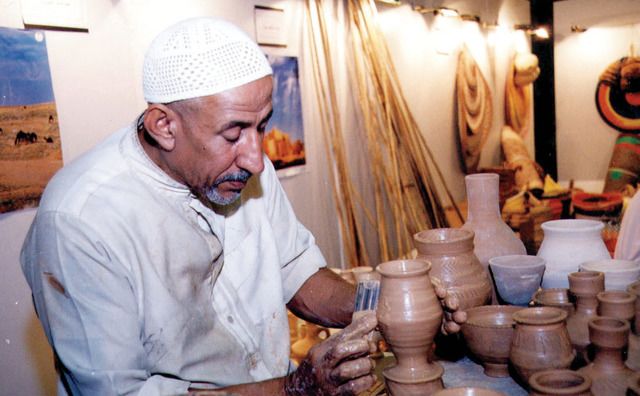

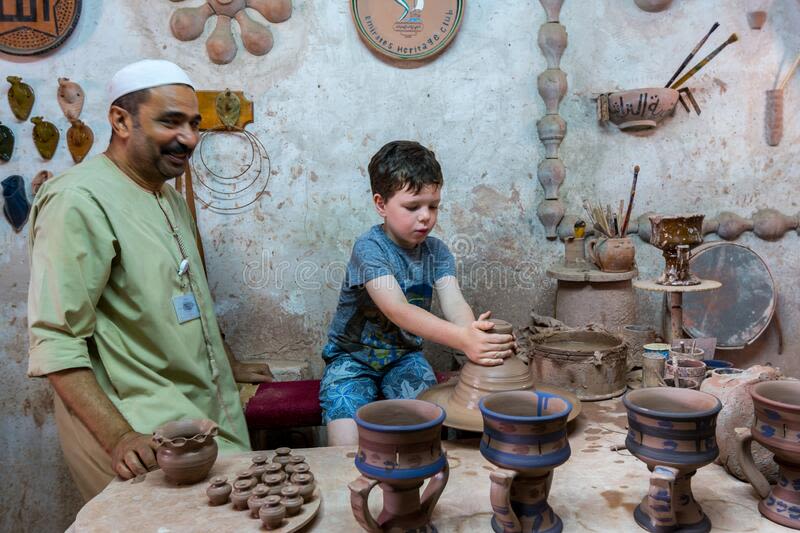
Souq el-Fustat (Fustat Market), which carries the city's old name, brings in a renaissance of distinctive Egyptian handicrafts, including leather, glass, mosaic, copper, wood art, Bedouin needlework, jewelry influenced by many traditions, and more. The fair, which brings together 30 Egyptian artisans from various professions, provides a one-of-a-kind and authentic shopping experience for handcrafted and personalized items.
The market offers free workshops where each artist takes a turn introducing the kids to their craft and helping them learn it in an effort to serve as a hub for traditional art and improve the social and financial status of the locals.
Handicrafts: The hidden art of the locals

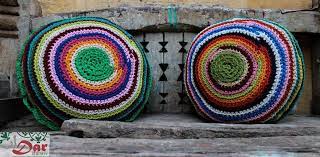
Dar Gallery
Dar Gallery is the ideal place to seek any crocheted item one could be looking for, from traditional scarves to fashionable purses, accessories, rugs, blankets, pillows, and bunnies. As you go through the entrance, the vibrant scene catches your eye and entices you inside with its irresistible sense of optimism
The gallery initially visited the souq five years ago, selling a variety of handcrafted crochet items produced by innovative Egyptian women.
Dar continues the souq's social mission by providing trainings for the local women who require a straining income to maintain their families.
"We are trying to support this traditional craft because many women in Egypt love to practice it,” artisan Dalia Ibrahim Nabil says.
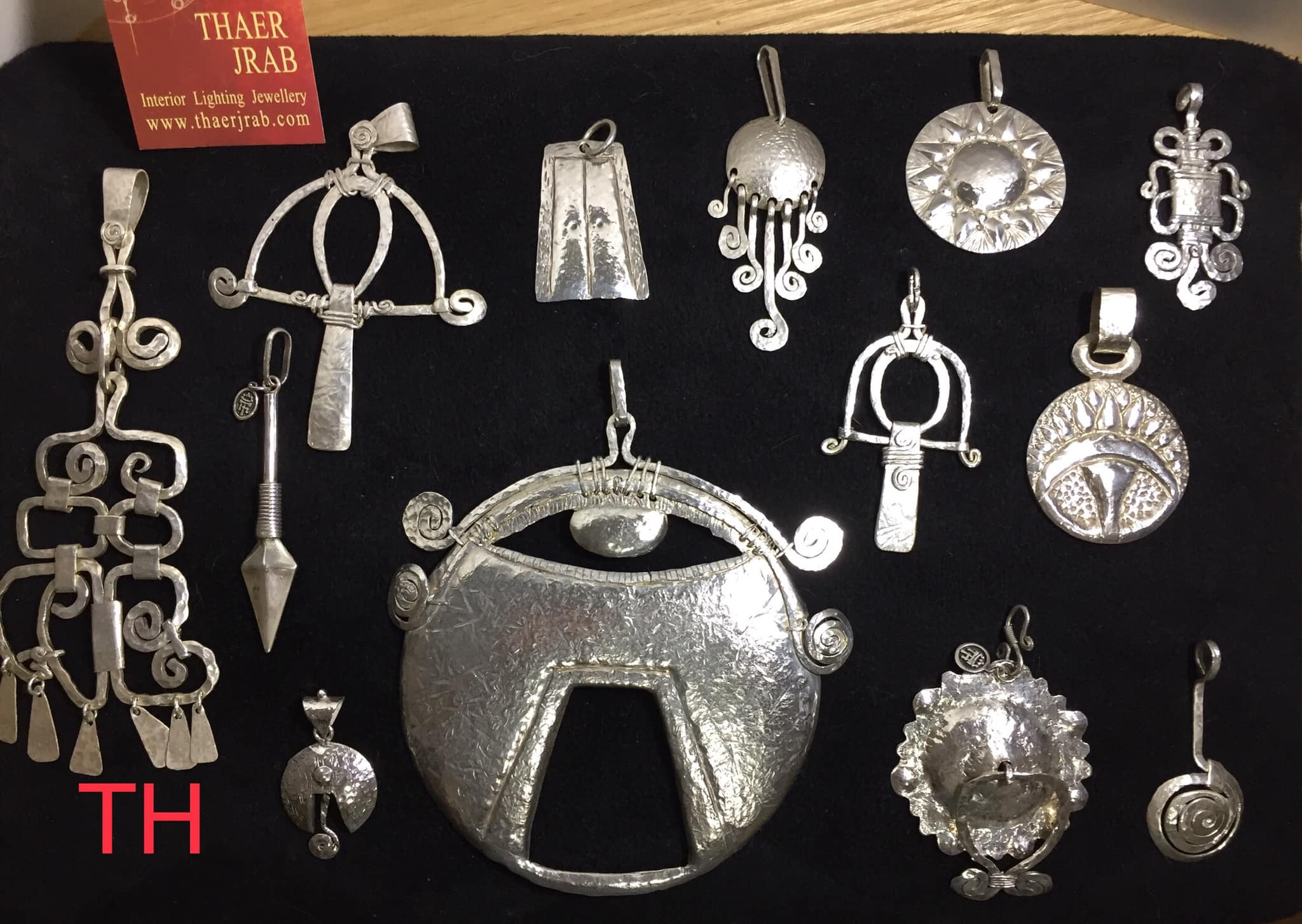
True Harmony: An elegant exhibition inspired by two civilizations
This one is an exhibition of one-of-a-kind and custom-made art crafts, furniture, light fixtures, paintings, and jewelry that perfectly combines Syrian and Egyptian traditions.
A selection of masterpiece jewelry, from sterling to Swiss silver, gold, copper, or brass is available at the gallery. If you wish, you can add semi or precious stones to your individual piece. There is also a variety of lighting and furniture, from decorative mirrors to ornate cabinets and everything in between.
“The project was for a tourist restaurant and each artisan came up with an idea for an authentic handicraft item to fit the big project, one will make napkins out of khayameya patchwork, the other to place a serving copper plate set under a porcelain one, and there is also a sauce-serving tray to be made of copper and wood, as well as some copper ornaments adorning glass, “said Mohamed Gamal, a ceramics art specialist at the Fustat Traditional Crafts Centre.
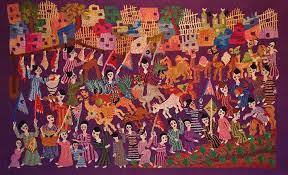
Association of Upper Egypt: Reviving local art
Capitalizing on authentic traditions in the Upper Egyptian governorates of Sohag and Luxor, the gallery exhibits a variety of artistic woodwork, as well as creative weaving and embroidery motives.
All textile products are 100 percent cotton, handmade by community members who create spontaneous designs, inspired by nature or by their personal lives.
The community members were instructed and mentored in the association's seminars on how to improve their traditional crafts and transform their local treasures into innovative and contemporary goods.
The only permanent exhibition presenting these creative marvels infused with Upper-Egyptian traditions has been Souq el-Fustat for over 16 years.
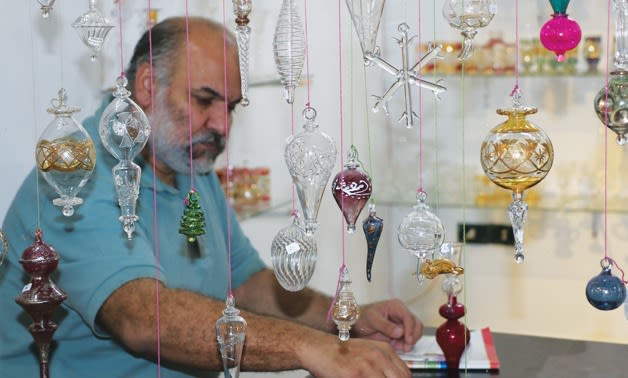
Delta for hand-crafted glass art
It features a variety of handmade glass objects in different types and shapes, from the most traditional perfume bottle inspired by pharaonic artefacts to more modern accessories like tea and coffee sets and delicate antiques.
More young and experienced artists, antique collectors, and a few other social projects that have chosen that location as their centre to revive Egyptian arts may be found as you make your way deeper into the market, creating the ideal setting for a cultured shopper.
All prices are fixed and clearly marked to avoid any misunderstanding and to guarantee that you are getting the greatest deal.

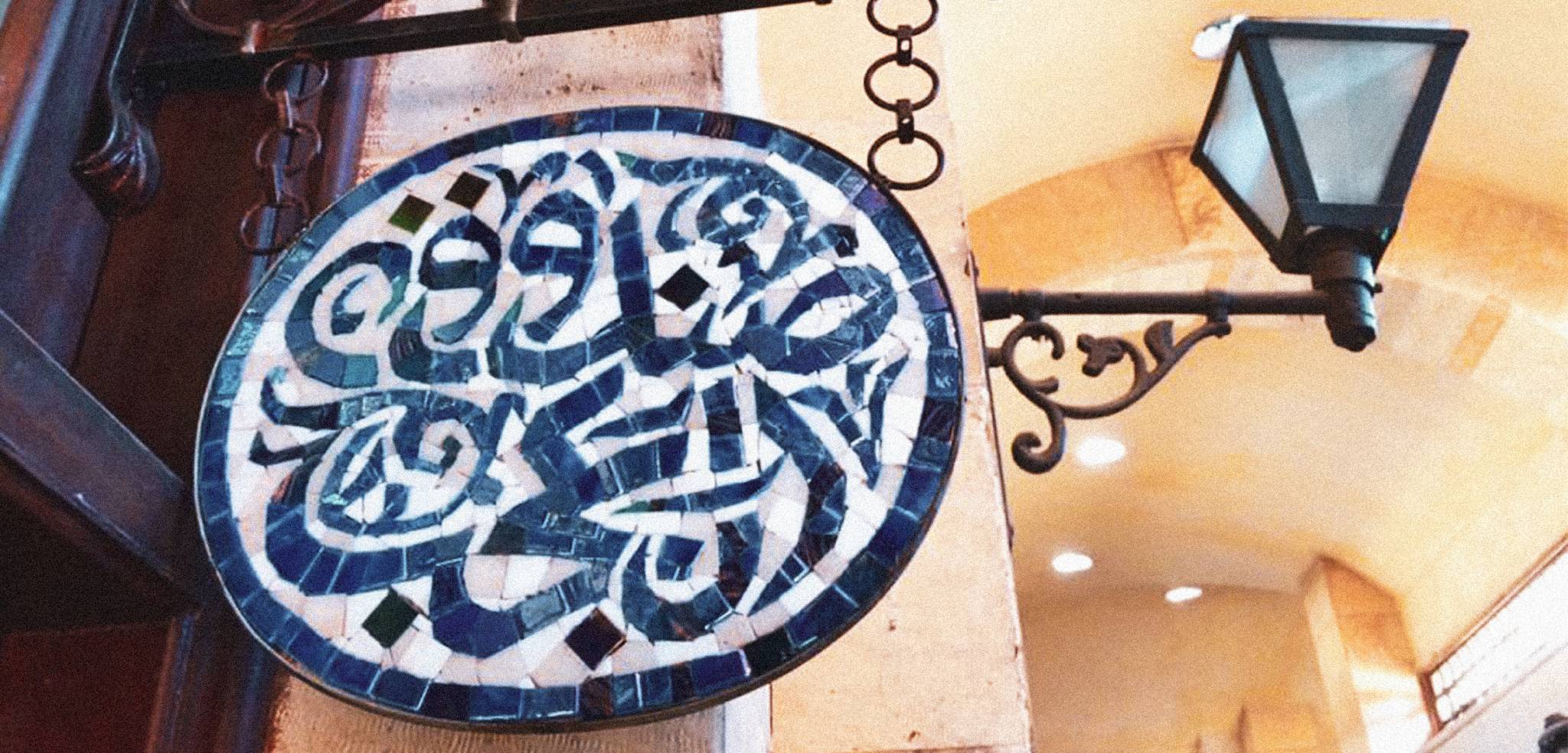
To figure out the best time to visit this 100 percent Egyptian artistic and cultural market, you can check the Facebook page at www.facebook. com/SouqElFustat/ or http://www.foustatcenter.gov.eg/ for their monthly events, when the whole place beats with the passion of one of its art types, offering workshops, exhibitions, and a great atmosphere
Souq el-Fustat also hosts special seasonal events, where Nubians, Bedouins, and other indigenous groups from Egypt’s diverse culture come to the market and plunge it into their most traditional music, activities, and of course, their signature arts.
Five Keywords:
1. Fustat
2. Handcrafts
3. Pottery
4. Art
5. Workshops
Work Report
· Sherine Emad Nessim 20060495: voice over
· Sandra Wageeh Wissa 20060396: voice-over script
· Abdelrahman Eyadh Lotfy 20060517: article and designing the website
· Joy Adel Azmy 20060208: shooting the video, editing transitions, and adding music
· Hana Hesham Ahmed 20060969: shooting the video, editing transitions, and adding music
· Mariam Raouf Ibrahim 20060704: shooting the video, editing transitions, and adding music
· Carin Hany Wagih 20060597: shooting the video, editing transitions, and adding music
· Salma Osama Fawzy 20060404: article, adding voice-over and subtitles, designed part of the website
· Sarah Samy Youssef 20060383: shooting the video, editing transitions, and adding music
· Sarah Ashraf Farouk: shooting the video, editing transitions, and adding music
 Built with Shorthand